Plant Heavy Metal Stress by Rishikesh Upadhyay
Increase in environmental pollution as well as contamination of water by heavy metals, associated with plants and other food products due to increase in human a…

Author-written articles on reading habits, book culture, writing life, and indie publishing. Fresh perspectives from the community, every week.
Increase in environmental pollution as well as contamination of water by heavy metals, associated with plants and other food products due to increase in human a…
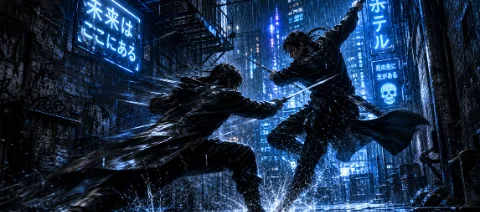
The biggest mistake writers make in fight scenes is describing movement at the expense of emotion—readers need to feel the stakes, not just follow the choreography. Learn how to write action sequences that are physically vivid and emotionally devastating.
A single perfect metaphor can do what three paragraphs of description cannot—it collapses distance between reader and story in one electric instant. Learn how to craft figurative language that feels inevitable rather than forced.
The difference between a scene readers skim and one they fully inhabit comes down to sensory specificity—the exact smell, texture, or sound that makes a moment real. Master the art of sensory detail and your fiction will leap off the page.
Interior monologue is the craft skill that makes readers forget they're reading—when done right, they feel they are the character. Discover how to write authentic, gripping inner thoughts that reveal character and drive story simultaneously.
Dual-timeline novels captivate readers by creating a slow-burning mystery between two periods—each chapter in one era makes readers desperate to return to the other. Learn the structural secrets behind bestselling dual-timeline fiction.
Epistolary fiction puts you inside the character's most private communications—letters, diary entries, emails, and texts—creating an intimacy that no other narrative form can match. Learn how to structure an epistolary novel and use its unique constraints to build irresistible tension.
A well-crafted subplot does more than add page count—it reflects, complicates, or challenges your main story in ways that make both threads richer. Use these proven techniques to build subplots that readers will love as much as the central plot.
Every scene in your novel should change something—whether it's a character's situation, knowledge, or emotional state. Understanding goal-conflict-outcome structure is the single fastest way to eliminate weak scenes and tighten your entire manuscript.
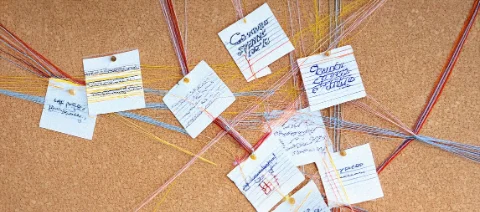
The Story Grid gives writers a diagnostic tool to pinpoint exactly where a novel succeeds or fails at the scene level. Apply Shawn Coyne's framework to your manuscript and transform structural guesswork into precise, actionable revision.
Originally a screenwriting tool, the Save the Cat beat sheet has become a secret weapon for novelists struggling with structure. Apply its 15 plot beats to your fiction and build stories that keep readers hooked from page one to the end.
The Snowflake Method builds your novel from a one-sentence concept into a complete, layered outline—no blank-page paralysis required. Master this structured approach and watch your story take shape before you write a single scene.
Believe in yourself and others might believe in you. To prosper at anything you do, first, you must process your process...
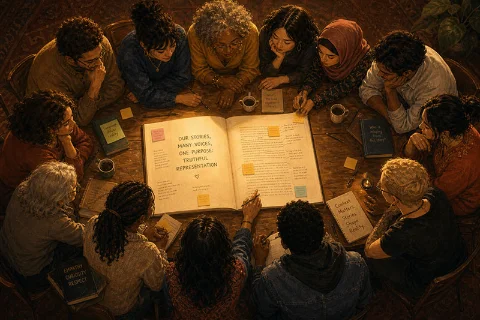
Inclusive fiction is not about writing only what you know in the narrowest sense. It is about writing what you do not know with enough research, humility, and craft that the people whose experience you are drawing on feel seen rather than reduced.
A character's past is the invisible architecture of their every decision, fear, and desire—and knowing how to use it is essential craft. Learn to weave backstory naturally into your fiction without info-dumping.
The literary vs. genre distinction shapes how you write, query, market, and position your book—yet many authors misunderstand the boundary. This breakdown clarifies the differences and shows how the best fiction transcends both.
The best science fiction balances intellectual speculation with deeply human storytelling and that balance is a skill you can learn. Discover how to ground your big sci-fi ideas in character, conflict, and emotional truth.
Plot is not a sequence of events. It is a chain of causes. The difference is small on the surface and everything underneath it. The king died and then the queen died is a sequence. The king died and then the queen died of grief is a plot. That single addition changes what the reader experiences from a record of things that happened into a story that means something. Causality is the mechanism behind every plot that has ever kept a reader up past midnight.