Story Structure as Reader Persuasion: How to Make People Keep Turning Pages
Story structure is not just the shape of a book. It is the quiet persuasion system that makes readers want one more page.
Everything tagged writing tips — articles written by indie authors and readers on topics that matter to the community.
Story structure is not just the shape of a book. It is the quiet persuasion system that makes readers want one more page.
The best endings do not stop when the book ends. They continue quietly inside the reader.
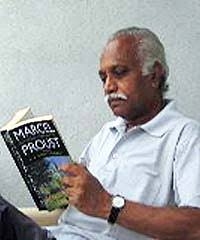
When asked to buy, as of now, the Indian readers may say there is nothing Inspiring, barring an odd God of Small Things for them to venture into the arena of Indian creative writing. The vital links in the chain are the publishers who should consciously look for, and promote rue Indian experiences sans Western trespassing. It is only thus, in time, we may have our own Tolstoys and Zolas, who one day could trod the world literary scene as colossuses, and make India the land of a thousand classics
A genius character does not impress readers by knowing everything. They impress readers by noticing what everyone else misses.
A believable character is not someone who agrees with the author. They are someone who believes themselves.
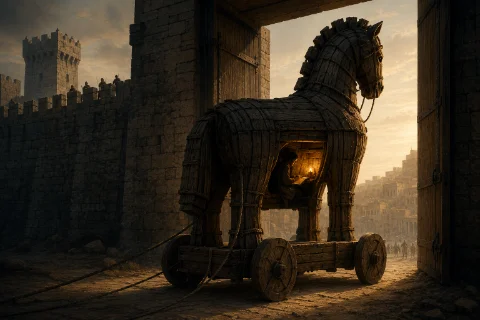
Your abandoned draft is not dead weight. It may be the missing layer your current manuscript still needs.
A twisted timeline only works when readers still feel emotionally grounded. Temporal braiding is less about clever structure and more about carrying the heart of the story across time.
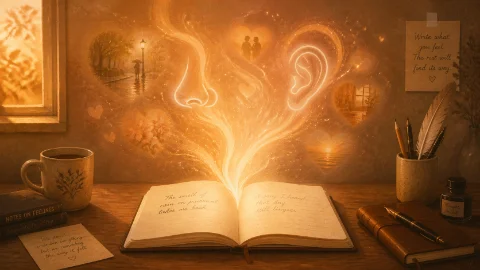
Emotion becomes more powerful when readers can sense it. One smell or sound can carry more feeling than a paragraph of explanation.
Want readers to feel exactly what your characters feel? Stop relying on emotional adjectives and start changing the rhythm of your sentences.
Sometimes the most important chapter in a novel is the one readers almost forget. That is exactly why it works.
Sometimes a sentence speaks with two voices at once. One voice says the thing. The other quietly questions it.
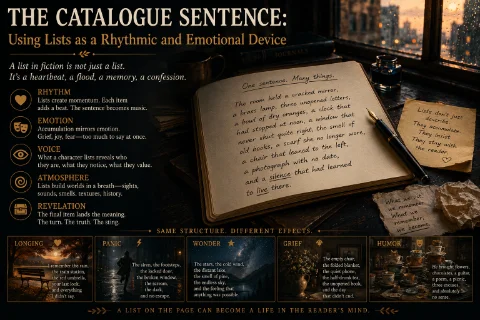
A list in fiction is not always a list. Sometimes it is a heartbeat, a memory, a confession, a flood, or the sound of a character trying to hold everything at once.