Unclassifiable: Books That Refuse to Be Categorized (And Why We Love Them)
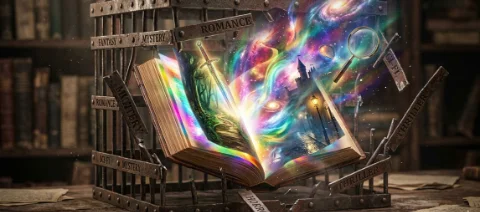
Discover the allure of genre-defying, cross-genre books. Learn why stories that break traditional rules dominate, with examples of uncategorizable literature.
Browse author-written articles filed under behind-the-book. Reading tips, author stories, book lists, and more — all from voices within the Indie Reading Community.
Discover the allure of genre-defying, cross-genre books. Learn why stories that break traditional rules dominate, with examples of uncategorizable literature.
Writing deep, complex stories takes an emotional toll. Discover actionable strategies to protect your creative well and recover from writer burnout.
Trapped in a perpetual loop of "one last polish"? Learn how to spot the line between constructive editing and fear, and when to finally share your book.
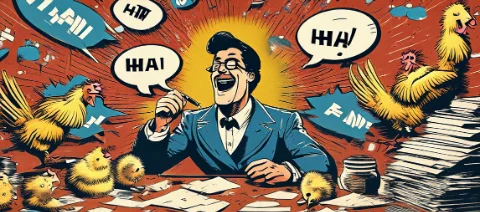
Comedy on the page is one of the hardest things to pull off—timing, surprise, and character voice must align perfectly or the joke lands with a thud. Learn the craft principles behind fiction that makes readers laugh out loud.
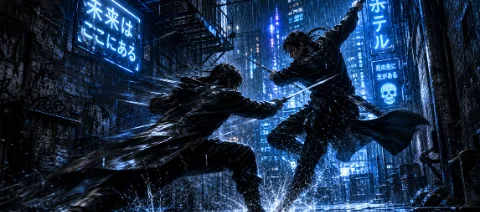
The biggest mistake writers make in fight scenes is describing movement at the expense of emotion—readers need to feel the stakes, not just follow the choreography. Learn how to write action sequences that are physically vivid and emotionally devastating.
A single perfect metaphor can do what three paragraphs of description cannot—it collapses distance between reader and story in one electric instant. Learn how to craft figurative language that feels inevitable rather than forced.
The difference between a scene readers skim and one they fully inhabit comes down to sensory specificity—the exact smell, texture, or sound that makes a moment real. Master the art of sensory detail and your fiction will leap off the page.
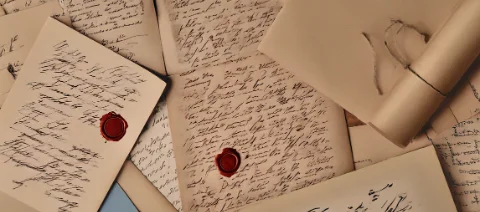
Epistolary fiction puts you inside the character's most private communications—letters, diary entries, emails, and texts—creating an intimacy that no other narrative form can match. Learn how to structure an epistolary novel and use its unique constraints to build irresistible tension.
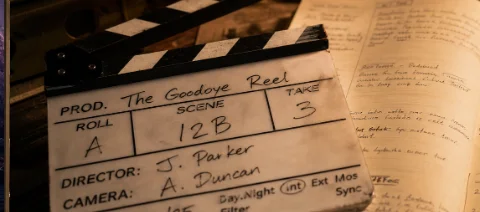
Originally a screenwriting tool, the Save the Cat beat sheet has become a secret weapon for novelists struggling with structure. Apply its 15 plot beats to your fiction and build stories that keep readers hooked from page one to the end.
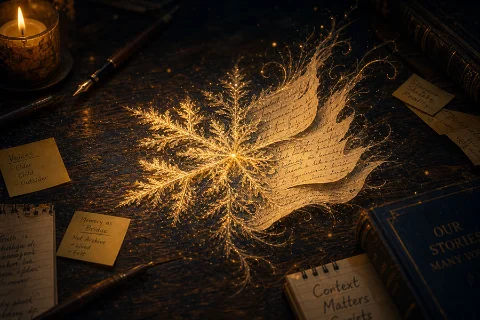
The Snowflake Method builds your novel from a one-sentence concept into a complete, layered outline—no blank-page paralysis required. Master this structured approach and watch your story take shape before you write a single scene.
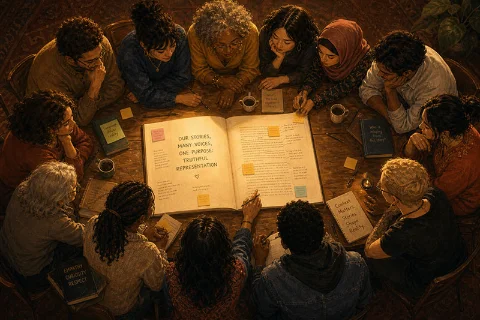
Inclusive fiction is not about writing only what you know in the narrowest sense. It is about writing what you do not know with enough research, humility, and craft that the people whose experience you are drawing on feel seen rather than reduced.
A character's past is the invisible architecture of their every decision, fear, and desire—and knowing how to use it is essential craft. Learn to weave backstory naturally into your fiction without info-dumping.